April 6, 2026
Parenting · Education
Raising Children Away from Cities
Raising children away from cities offers a unique blend of freedom, nature, and simplicity, but it also comes with important trade-offs. In this personal reflection, I explore the differences between rural and urban childhoods, from imagination and independence to education, exposure, and opportunity. If you're considering where to raise your family, this piece will help you think more intentionally about how environment shapes your children’s future.
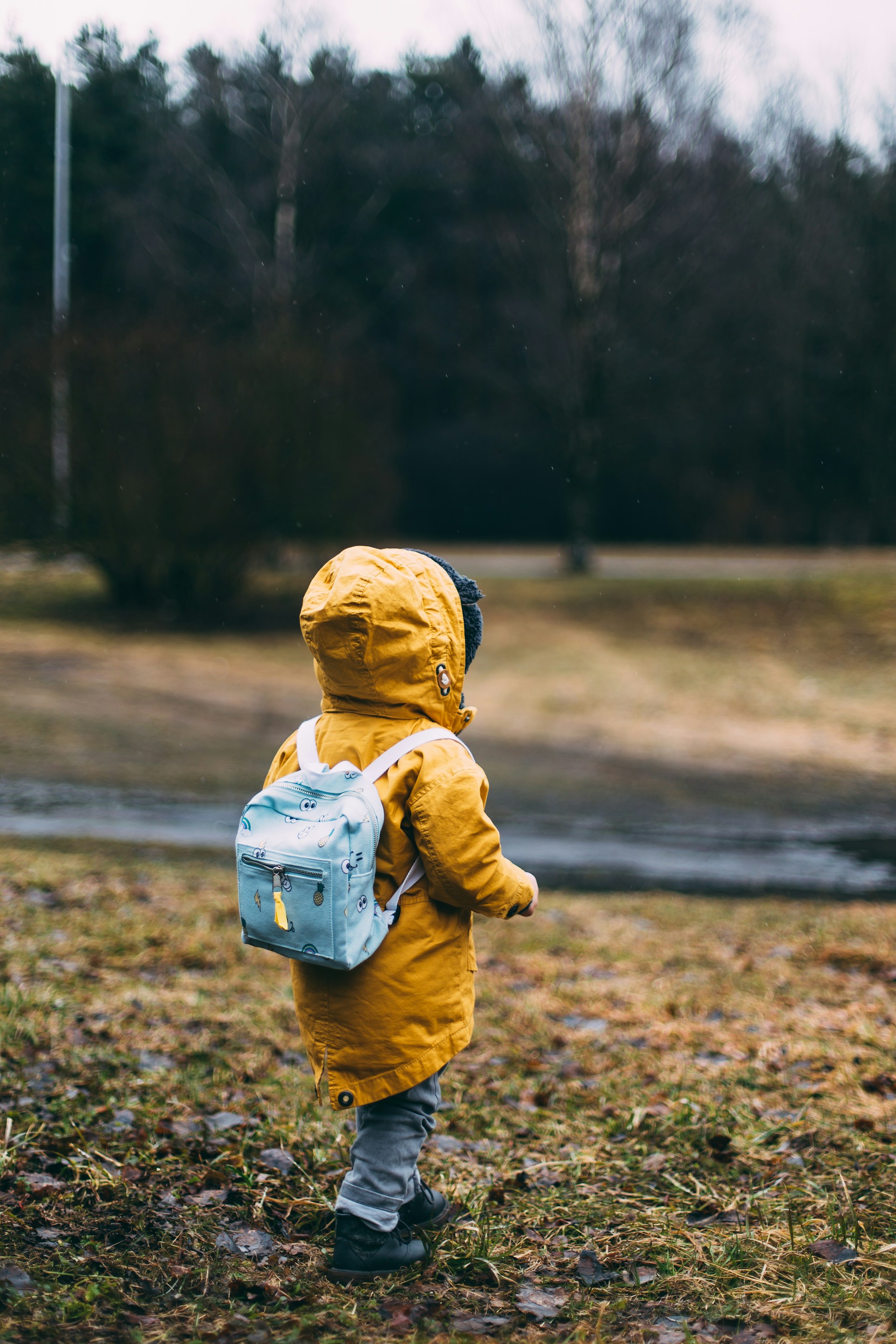
I’ve been thinking a lot about where to raise my children.
Not just where we’ll live, but what kind of childhood they’ll have. What they’ll remember. What will shape them.
And every time I go back to where I grew up, a small village in the mountains of Spain, something in me says:
This is what childhood should feel like.
But at the same time, another part of me hesitates.
Because I also know what you don’t get there.
The freedom I had
I was raised in a place where I could just go outside.
No planning. No constant supervision. No fear.
I would leave the house and spend hours exploring with friends. Climbing trees. Building wooden cabins. Playing with ants, dirt, sticks, whatever we could find.
It wasn’t organized. It wasn’t scheduled.
It was just life.
And the thing is, it felt safe.
Not because nothing bad could happen, but because everyone knew each other. If I was somewhere, someone would recognize me. Someone would look out for me.
My mom had peace of mind.
I don’t know if you can recreate that in a city.
When you don’t need toys
One thing I’ve realized is how little we needed to be entertained.
We weren’t surrounded by endless toys, screens, or stimulation. So we created our own.
And in doing that, we developed something that feels rare now.
Imagination.
I remember entire afternoons spent just figuring things out. Inventing games. Exploring. Getting bored and then turning that boredom into something.
It’s a different kind of growth.
And I wonder what happens when children don’t get that space anymore.
The memories that stayed
Some of my strongest memories are not about things.
They’re about moments.
Going biking in the mountains with my father as a teenager.
Learning about gardening from my parents.
Going mushroom hunting in the forest.
There’s something about being close to nature that makes those memories feel deeper. Slower. More real.
And I can’t help but think that this is part of what’s pulling me back.
But there are trade offs
It’s easy to romanticize the countryside.
But it comes with real compromises.
Education
You simply don’t have the same range of schools.
Even if the quality is good, the options are limited. And depending on what you want for your children, that can be a real constraint.
Commute
Getting anywhere takes time.
School, activities, work, everything requires movement. I remember being driven to school by other parents, which worked, but it depended on coordination.
And if you can’t work remotely or close to home, it becomes a serious issue.
You end up spending a lot of time commuting.
And that time comes from somewhere, often from time with your children.
But to be fair, that’s also a problem many people have in cities.
The thing that worries me the most
This is the part I struggle with.
The bubble.
You are shaped by the people around you.
When I go back to my village today, I see some of the people I grew up with.
Some stayed. Some are struggling to find jobs. Some still live with their parents. Some are very focused on things like cars and tuning them.
And I don’t judge it.
It’s not wrong. It doesn’t make anyone less.
But I ask myself:
Is that the only reality my children would see?
Because what I want for them is exposure.
To different ways of thinking.
Different ambitions.
Different paths.
Not so they become something specific, but so they can choose.
Can you design your environment
Maybe the answer isn’t just city or countryside.
Maybe it’s about how intentional you are.
Where exactly do you live
Who are the people around you
How often do you travel
What kind of experiences do you create
If you live in the countryside but actively expose your children to different environments, maybe you can avoid that bubble.
But I don’t know how easy that is to sustain.
And I do wonder how much of your environment shapes you no matter what you do.
What about homeschooling
This is something I’m still exploring.
Homeschooling could, in theory, solve some of the limitations.
More flexibility in what and how children learn
More time together
The ability to travel and expose them to different environments
But it also comes with questions.
Socialization, who do they interact with daily
Structure, how do you ensure consistency and depth
Responsibility, you’re taking on a huge role as a parent
I don’t have a clear opinion yet.
But it feels like an option worth understanding, especially if you want to step outside the traditional system.
So where would I raise my children
Honestly, I don’t have a final answer.
Part of me deeply wants to give them what I had.
Freedom. Nature. Space. Simplicity.
Another part of me wants them to have exposure, opportunities, a broader view of the world.
Maybe the real question isn’t city or countryside.
But how do I give them both.
Final thought
If I look at my own life, I can’t deny how much my childhood shaped me.
Those years in the mountains gave me something I still carry today.
And maybe that’s the point.
Where you raise your children won’t define everything.
But it will define more than we think.